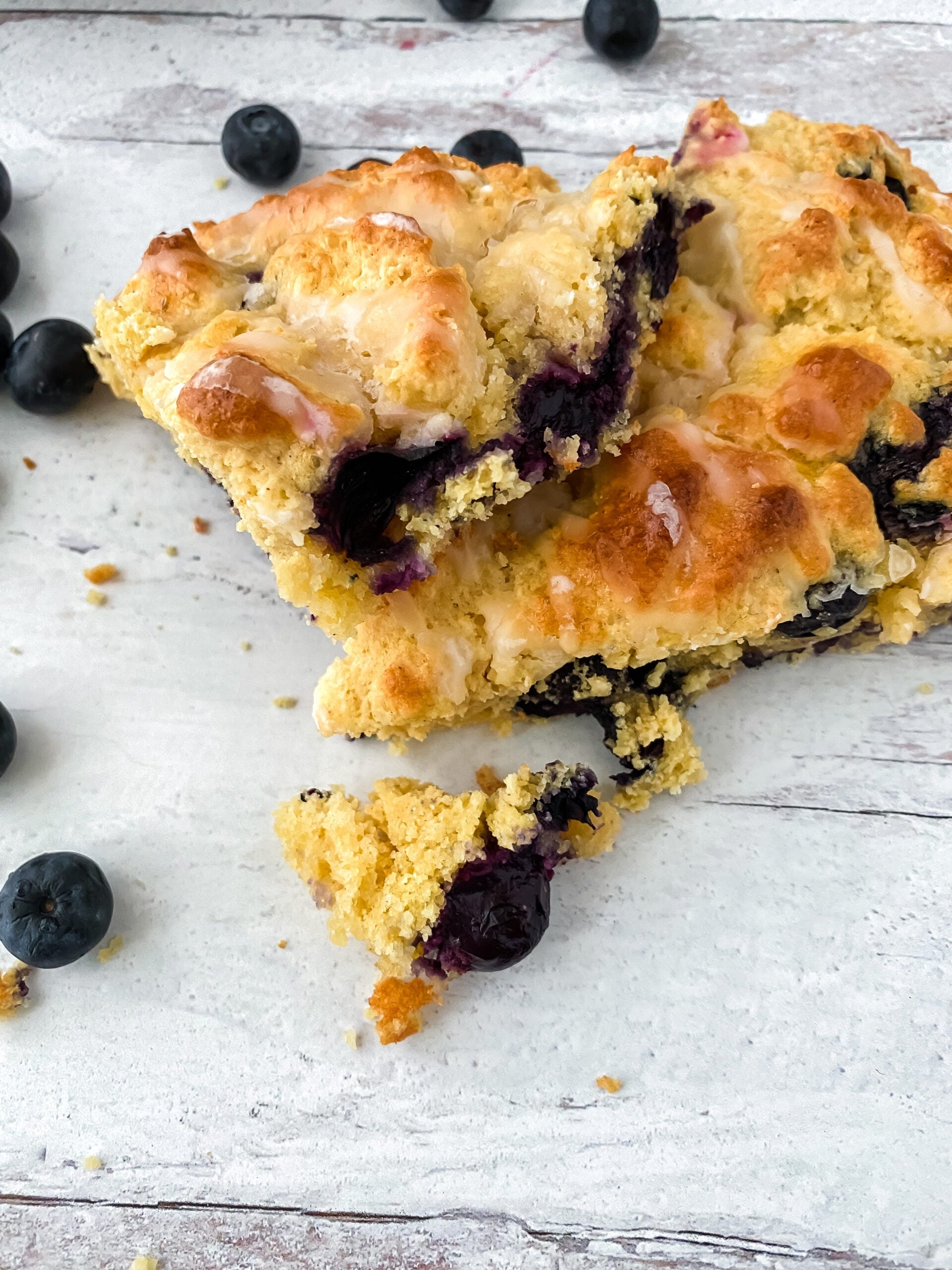
Bake Flaky Gluten-Free Lemon Blueberry Scones: Your Ultimate Guide
Imagine waking up to the aroma of freshly baked goods, the promise of a golden-brown scone studded with plump blueberries and zesty lemon. For anyone navigating a gluten-free lifestyle, this dream can often feel out of reach, especially when past experiences with store-bought options have been, well, less than inspiring. Dry, crumbly, and utterly disappointing – restaurant scones often leave much to be desired. But what if we told you that achieving perfectly flaky, moist, and utterly delicious
gluten free lemon blueberry scones at home is not only possible but surprisingly easy? Get ready to transform your weekend mornings, outdoor adventures, and simple coffee breaks with a batch of scones so good, you'll wonder why you ever settled for less.
This comprehensive guide will walk you through the expert techniques and invaluable tips needed to bake the best
gluten free lemon blueberry scones you've ever tasted. Forget the sawdust texture; we're aiming for light, tender interiors with delightful, buttery layers that practically melt in your mouth.
Why Homemade Gluten-Free Scones Outshine the Rest
The quest for the perfect scone often ends in disappointment when relying on commercial bakeries. While intentions may be good, the reality is that many gluten-free baked goods can suffer from a lack of moisture, an off-putting texture, or a general blandness. As one beloved bakery once famously quipped to customers asking for a "low fat scone" – "just eat half!" – a good scone is meant to be a delightful indulgence, and compromising on quality for the sake of convenience or misguided health trends often leads to a less satisfying experience.
Homemade
gluten free lemon blueberry scones, on the other hand, offer unparalleled control over ingredients, freshness, and most importantly, flavor and texture. You can select premium, cold butter, ensuring those sought-after flaky layers. You can use fresh, vibrant blueberries and fragrant lemon zest that infuse every bite with bright, natural taste. Plus, baking at home guarantees they’re free from any unexpected gluten cross-contamination, providing peace of mind along with deliciousness. The difference is truly night and day, making the effort entirely worthwhile. For a deeper dive into why homemade reigns supreme, explore our article on
Why Homemade GF Lemon Blueberry Scones Outshine Store-Bought.
The Secret to Flaky Scones: Mastering Butter Handling
The cornerstone of any truly exceptional scone, gluten-free or not, is undoubtedly the butter. There’s no skimping here; good quality, *cold* butter is non-negotiable. It’s the magic ingredient that transforms simple dough into a marvel of flaky layers. But it’s not just about the butter itself; it’s how you incorporate it.
Think of it like making a pie crust – the same principles apply. The goal is to create small, distinct pockets of butter throughout the dough. As these butter pieces melt in the hot oven, they release steam, which then pushes apart the layers of dough, resulting in that signature flaky texture we all crave. Here’s how to nail it:
1.
Keep it Cold: Your butter should be straight from the refrigerator, almost frozen if possible. Many expert bakers even recommend grating frozen butter directly into the flour mixture, as this creates tiny, uniform pieces that are easy to work with and stay cold longer.
2.
Thin Slices or Small Cubes: Cut your cold butter into very thin slices or small 1/2-inch cubes.
3.
The Smearing Method: Add the cold butter pieces to your flour mixture. Using your fingertips or the palms of your hands, work the butter into the flour with a smearing or pinching motion. You want to flatten the butter pieces and combine them with the flour, but not fully integrate them.
4.
Leave Visible Pieces: This is crucial! Resist the urge to work the butter completely into the flour until it disappears. You should still see visible, pea-sized to almond-sized pieces of butter throughout the mixture. These larger pieces are what will create those beautiful, distinct layers when baked.
5.
Work Quickly: Speed is your friend. The warmer the butter gets, the more it will melt into the flour, diminishing the potential for flakiness. If your kitchen is warm, or if you find the butter softening too much, pop the bowl into the fridge for 10-15 minutes to chill before proceeding.
By diligently following these butter-handling techniques, you're laying the foundation for
gluten free lemon blueberry scones that boast an irresistible, tender crumb and incredible flakiness.
Crafting Your Scones: From Dough to Delight
Once your butter is perfectly incorporated, the rest of the scone-making process is a breeze. It’s all about gentle handling and thoughtful additions.
Essential Ingredients & Prep
*
Gluten-Free Flour Blend: Opt for a good quality all-purpose gluten-free flour blend, preferably one that contains xanthan gum. If your blend doesn't, add 1/2 teaspoon per cup of flour. Different blends absorb liquid differently, so be prepared to adjust slightly.
*
Fresh Blueberries: While frozen blueberries can be used, fresh are highly recommended. Frozen berries, when thawed or added directly, tend to "bleed" their color into the dough, resulting in a less vibrant, sometimes greyish scone. They'll still taste great, but fresh provides that visual pop. If using frozen, do not thaw them; add them directly from the freezer and work quickly.
*
Lemon Zest & Juice: The zest is where most of the lemon flavor resides. Don't skimp! A good amount of finely grated zest will elevate the scones. A touch of lemon juice can be added to the glaze for an extra zing.
*
Buttermilk (or Substitute): Buttermilk adds tenderness and a subtle tang. If you don't have buttermilk, you can make your own by adding 1 tablespoon of lemon juice or white vinegar to a measuring cup, then filling the rest with milk to equal the required amount. Let it sit for 5 minutes until it curdles slightly.
Mixing the Dough
After working in the butter, gently fold in your fresh blueberries and lemon zest. Then, gradually add the liquid (buttermilk or substitute) to the dry ingredients. Mix just until the dough comes together. Overmixing develops gluten (even in GF flours, gums can create a tougher texture) and can lead to tough scones, so stop as soon as it's combined. The dough will be shaggy but should hold together when pressed.
Shaping and Cutting
Turn the dough out onto a lightly floured surface (using GF flour). Gently bring it together and lightly pat or roll it into a round disc, about 3/4 to 1 inch thick. Avoid overworking the dough – a light touch is key.
For traditional triangular scones, cut the round into 8 wedges, like a pizza. You can also use a round biscuit cutter for circular scones, though this often creates more scraps that need to be re-rolled (which can toughen the dough).
Baking and Glazing
Transfer your shaped scones to a baking sheet lined with parchment paper. For an extra golden crust and a slight tang, brush the tops with a little extra buttermilk before baking. If you prefer a simpler finish, a sprinkle of coarse sugar before baking adds a lovely crunch.
Bake in a preheated oven until the scones are golden brown on top and cooked through. The baking time will vary depending on your oven and the thickness of your scones.
While the scones cool slightly, prepare a simple lemon glaze. A mix of powdered sugar and fresh lemon juice (or a touch of milk for a milder flavor) whisked together in a saucepan until smooth. For easy decoration, pour the glaze into a squeeze bottle and drizzle over the cooled scones. The glaze adds a beautiful finish and an extra layer of lemon flavor that perfectly complements the blueberries. For a detailed, step-by-step recipe, be sure to check out our guide on
Homemade Gluten-Free Lemon Blueberry Scones: Fluffy & Easy.
Beyond the Kitchen: Enjoying Your Gluten-Free Lemon Blueberry Scones
The beauty of homemade
gluten free lemon blueberry scones extends far beyond the baking process. These delightful treats are incredibly versatile and perfect for a variety of occasions.
Enjoy them warm, fresh from the oven, with a piping hot cup of coffee or a soothing mug of tea for a slow, easy morning. They pair wonderfully with a side of scrambled eggs or fresh fruit for a complete brunch experience. Don’t hesitate to serve them with a dollop of clotted cream or your favorite fruit jam for an extra touch of indulgence.
These scones also make an excellent companion for outdoor adventures. Pack them along for a hiking trip, a picnic in the park, or even an early morning photography excursion. Imagine watching the sunrise, a steaming thermos of coffee in hand, and biting into a delicious, buttery scone – pure bliss! They’re sure to evoke envious glances from fellow campers or adventurers.
For storing, keep cooled scones in an airtight container at room temperature for 2-3 days. For longer storage, freeze them in a single layer until solid, then transfer to a freezer-safe bag for up to 2-3 months. Reheat gently in the oven or microwave for that fresh-baked taste.
Conclusion
Baking exquisite
gluten free lemon blueberry scones at home is a rewarding experience that guarantees a level of flavor and flakiness simply unmatched by store-bought alternatives. By understanding the critical role of cold butter, incorporating fresh ingredients, and applying a gentle hand, you can confidently create a batch of scones that will become a cherished favorite. So, roll up your sleeves, gather your ingredients, and prepare to delight your senses with these truly exceptional gluten-free treats. Your weekend mornings (and every moment in between) are about to get a whole lot sweeter and flakier!